 Christian Living
Written by Rev Yen V. Vu · Published May 1, 2026
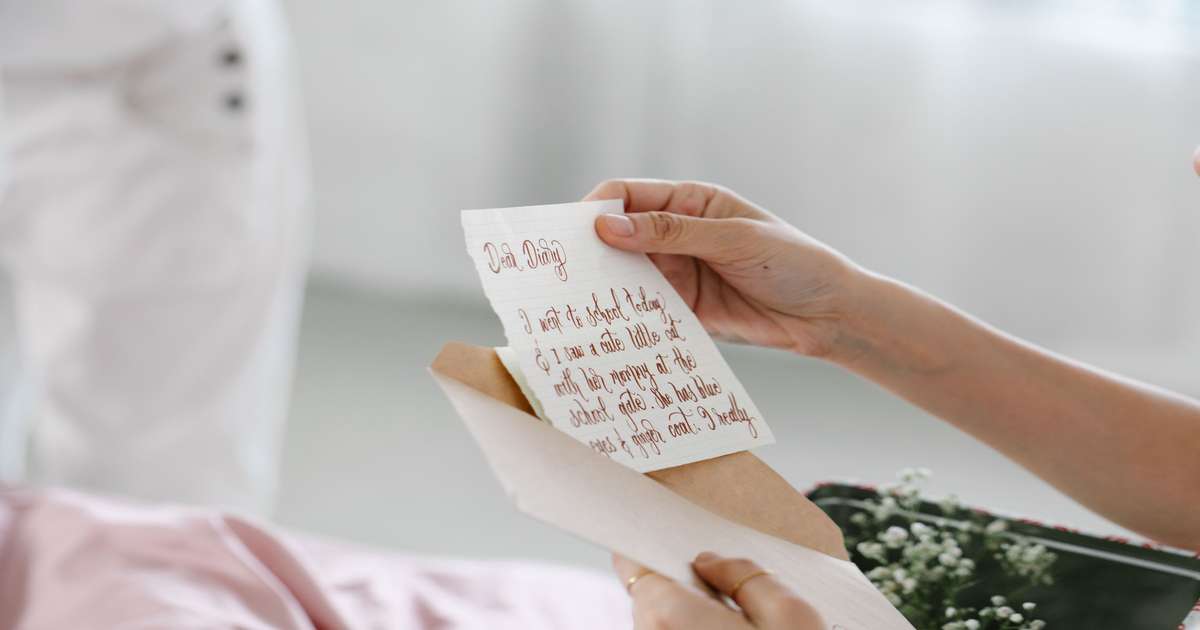
There is something that happens when you receive a handwritten letter. Before you have read a single word, you already know something important: someone took the time. In a world where attention is the scarcest currency, time given is love expressed. A letter is an act of love before it is even opened.
A handwritten letter is more than ink on paper. It is presence. It is intentionality. It is a moment of stillness in a noisy world. It is a reminder that someone paused their life long enough to think of you, pray for you, and put their thoughts into words. And in a culture where everything is instant, digital, and disposable, a handwritten letter stands out as something sacred.
Why Handwritten Words Carry More Weight
Research consistently shows that handwritten notes are remembered longer, trusted more deeply, and felt more personally than digital messages. The physical nature of a letter engages our senses — the texture of the paper, the handwriting unique to one person, the act of holding something that another person held. These sensory details anchor the message to our memory in ways a screen cannot.
But beyond the psychology, there is a spiritual dimension. Words written with intentionality, with care, with prayer behind them — carry something that dashed–off texts simply do not. They arrive as if they were meant for you. Because they were.
1. Handwriting carries the imprint of a person
Every loop, every curve, every imperfection is uniquely theirs. It is a piece of their presence on the page.
2. Letters slow us down
You cannot rush a handwritten letter. It forces you to think, reflect, and choose your words with care.
3. Letters feel personal
A text can be sent to anyone. A letter feels like it was written for you.
4. Letters become keepsakes
People rarely save emails. But they save letters for decades.
5. Letters communicate love through effort
Effort is a language — and letters speak it fluently.
The Biblical Precedent for Written Encouragement
Handwritten encouragement is not a modern idea. It is woven into the fabric of scripture.
Paul’s Letters to the Churches
The New Testament is largely a collection of letters — written to specific people, in specific situations, with specific words of encouragement, correction, and hope. Paul wrote to the Philippians from prison, telling them to rejoice. To the Thessalonians, comforting those grieving. To Corinth, urging unity and love. To Timothy, steadying a young leader’s nerves. These letters changed lives. They shaped the early church. They still speak today.
Paul’s letters were handwritten encouragement. They were personal, pastoral, intentional, Spirit–led, and preserved. Your handwritten words may not become scripture — but they can become someone’s lifeline.
The Value of Written Words in Scripture
“Whatever was written in former days was written for our instruction, that through endurance and through the encouragement of the Scriptures we might have hope.”
Written words endure. They can be returned to. They can be read again on a harder day. They outlast the moment in which they were written.
Why Handwritten Encouragement Matters in a Digital Age
We live in a world of instant messages, short attention spans, quick reactions, and shallow communication. A handwritten letter cuts through all of that. Letters feel intentional, rare, grounding, and like presence. When you write slowly, you often pray as you write.
Practical Ways to Use Handwritten Encouragement
1. Write One Letter Per Month
Choose one person in your life who needs encouragement. Sit down with paper and pen — not email, not text — and write. Tell them what you see in them, what you appreciate, what you are praying, and what you believe God is doing in their season. Mail it. It will mean more than you know.
Who to write to: someone grieving, someone lonely, someone overwhelmed, someone far from home, someone discouraged, someone who has blessed you.
If you want to explore more encouragement for lonely or grieving hearts, read:
When You Feel Alone — God Sees You
Christian Gift Ideas for Someone Who Is Grieving
2. Keep a Stack of Cards Ready
A small collection of blank cards on your desk lowers the barrier to sending encouragement. When someone crosses your mind, write the card before the moment passes. It removes friction and turns passing thoughts into meaningful action.
3. Write Scripture Into Your Letters
A verse written in your own handwriting carries a different weight than a printed one. Psalm 34:18, Isaiah 41:10, Philippians 4:6–7, and John 14:27 are powerful verses to include. Scripture becomes a lifeline when someone is struggling.
4. Receive Encouragement in Physical Form
If you have someone in your life who needs to receive this kind of ongoing encouragement — someone in a hard season, someone who is lonely, someone who is far from home — consider giving them FaithfulPost. Month after month, a handwritten–style letter arrives that reminds them: they are seen, they are prayed for, and they are not forgotten.
Let the words you write be rooted in Scripture. Our Bible reading guides can help you find verses to share. Creating a home filled with Scripture can also inspire the words you write to others.
The Letter That Changes a Day
You may never know which letter you send will be the one that arrives on the worst day someone has ever had. You may never know that your words — written carefully, sent faithfully — were exactly what that person needed in that exact moment. But God knows. He knows the timing. He knows the need. He knows the heart. Send the letter anyway. Even if you feel awkward, even if you feel unsure, even if you feel like your words are simple. God uses simple words written with sincere love.
Why Handwritten Letters Are a Ministry
Handwritten letters are not just sentimental — they are spiritual. They carry encouragement (1 Thessalonians 5:11). They carry presence. They carry prayer. When you write slowly, you pray as you write.
Key Takeaways
- A handwritten letter carries a weight that no digital message can replicate.
- The act of writing slows you down and makes your words more intentional.
- In a fast-paced world, a physical letter says, “You are worth my time.”
- Your words can be used by God to bring hope, healing, and connection.
- A simple letter can become a keepsake that is treasured for years.
A Final Word of Encouragement
You may feel like your words are small. You may feel like your handwriting is messy. You may feel like you don’t know what to say. But God uses small things. God uses imperfect things. God uses willing hearts. Write the letter. Send the letter. Let God use the letter.